
When the Leader Becomes the Load-Bearing Structure
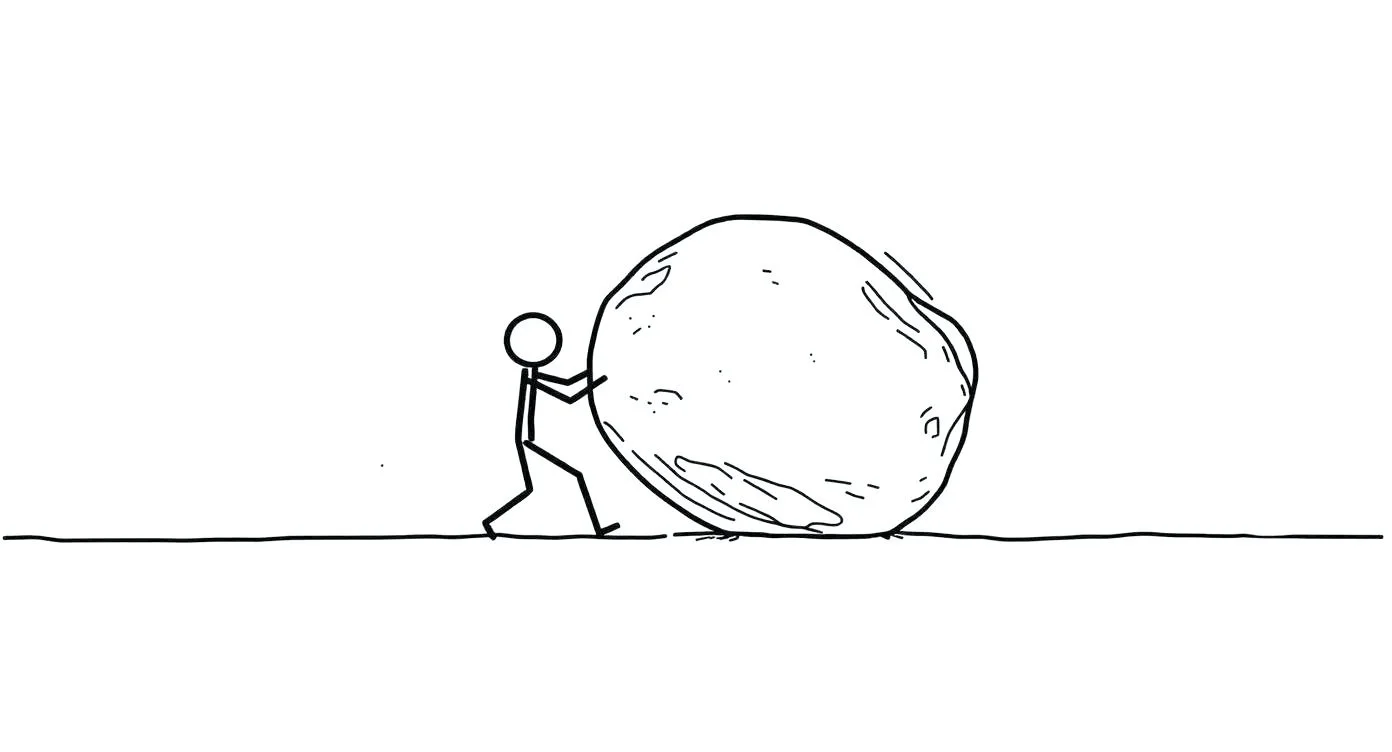
There is a moment in many growing systems when something subtle shifts.
It isn’t marked by failure.
Often, it’s accompanied by praise.
The leader becomes the one who steps in.
Clarifies.
Decides quickly.
Absorbs tension so others can keep moving.
At first, this feels like competence doing its job.
The system is grateful.
Results continue.
Nothing appears broken.
And yet — something has changed.
Attention begins to narrow.
Not from distrust, but from vigilance.
Scanning increases.
Intervention becomes anticipatory.
Even when nothing is visibly wrong, the system feels unfinished without the leader’s presence.
This isn’t burnout.
It’s concentration.
Responsibility has begun to accumulate.
Systems adapt quickly.
Decisions route upward — not because others are incapable, but because it is faster.
Tensions escalate earlier than necessary.
Ideas arrive shaped for approval rather than exploration.
No one is doing anything wrong.
The system is reorganizing around where gravity lives.
From the outside, performance may remain strong.
Deadlines are met.
Crises are handled.
But resilience thins.
Leadership depth exists on paper, but not yet in practice.
Innovation slows — not from lack of talent, but from lack of distributed ownership.
The system performs.
It does not regenerate.
Highly capable leaders are often rewarded for becoming the pressure valve.
The cost is not immediate.
It accumulates quietly.
And because the organization still works, the shift remains unnamed.
Until complexity increases.
Or change accelerates.
Or the flow is briefly interrupted — and the system reveals what it depends on.
The work does not begin with fixing people.
Or improving behavior.
Or redistributing tasks.
It begins with noticing where the load has gathered.
What responsibility is structurally yours?
What responsibility migrated because there was no clear structure to hold it?
And if the flow slowed, what would continue — and what would stall?
That distinction changes everything.
Audrey Wyatt
Observations from the Balcony