Featured
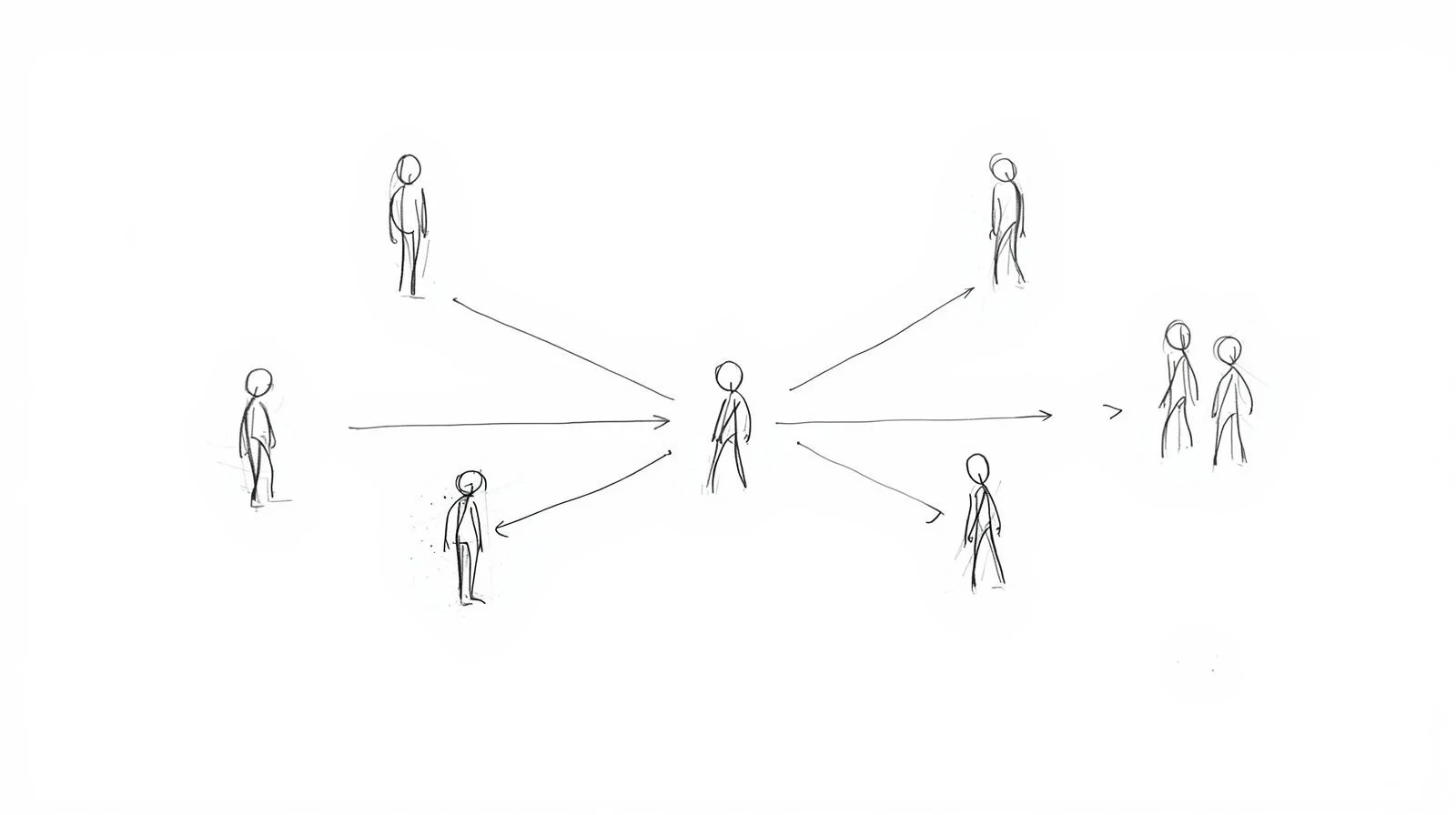


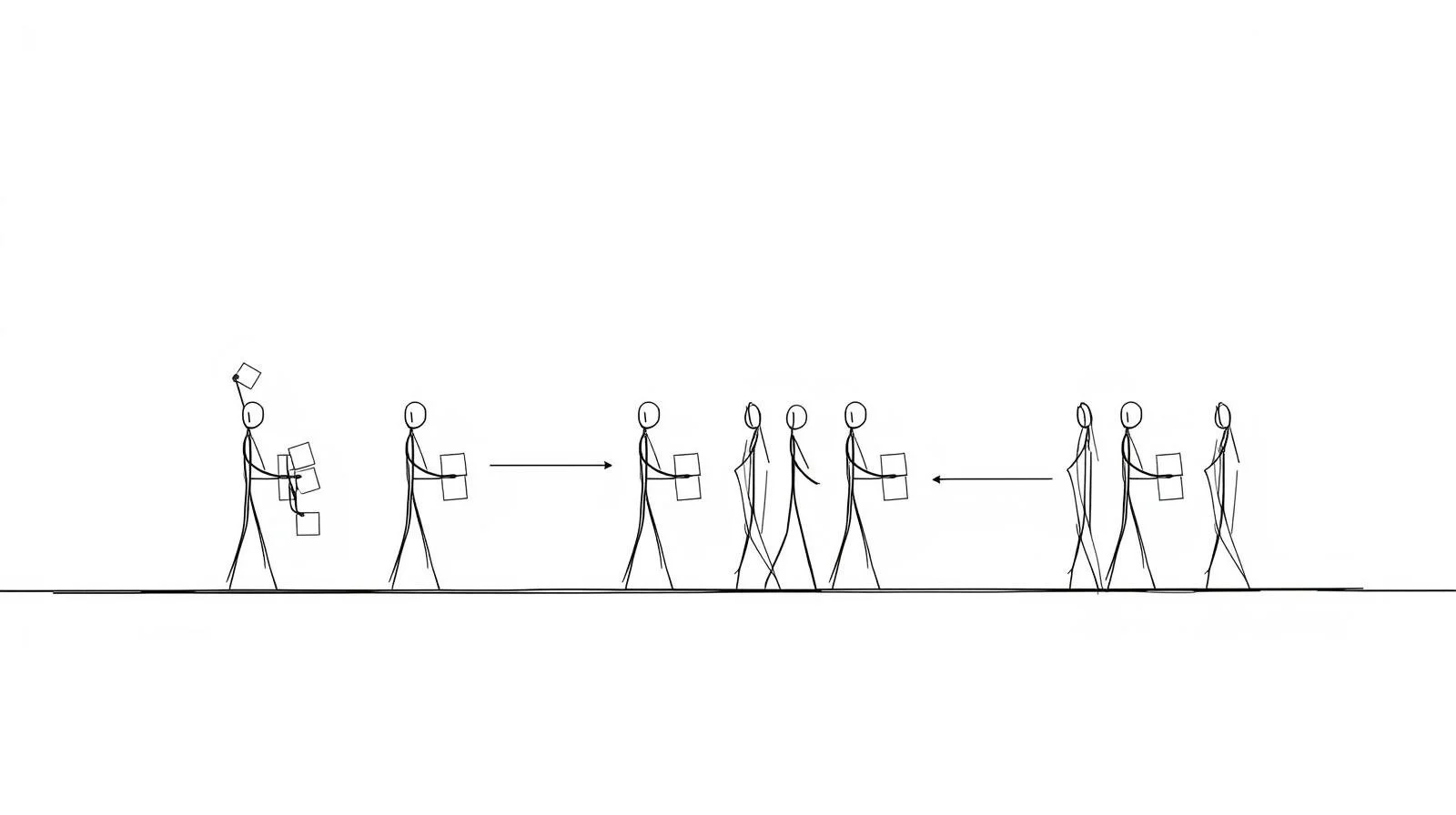
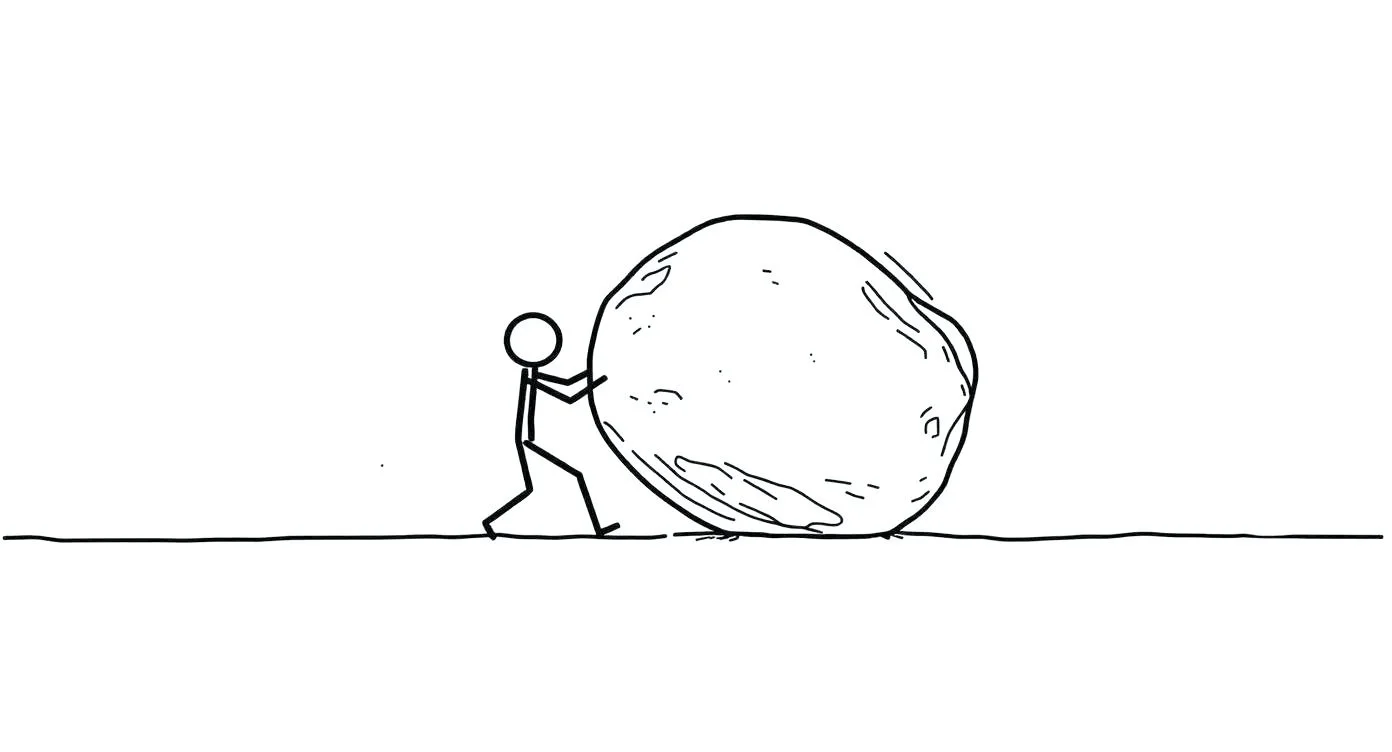
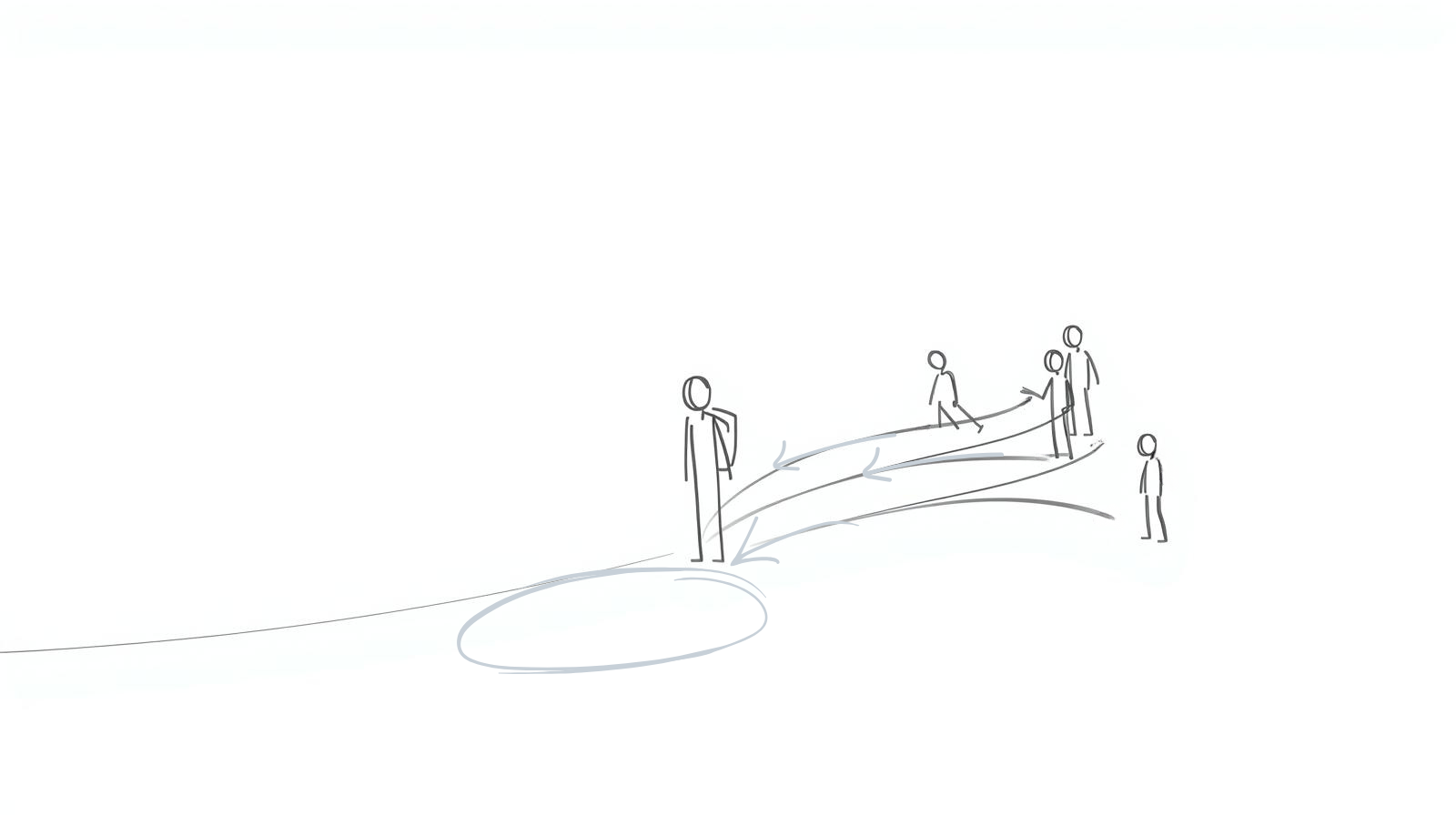





Alignment often feels strongest in the leader’s presence—decisions move, priorities clarify, and coherence returns. But when that coherence depends on proximity, the system quietly learns to route uncertainty back to the center. What looks like a leadership gap is often a structural signal about where alignment actually lives.
Growth often changes how pressure moves through an organization long before anyone names it. What looks like a leadership problem is often a structural inflection point — a moment when the system can no longer carry work the way it once did.
Leadership transitions don’t erase legacy. They clarify how it moves through the structure.
When strong people quietly absorb pressure, the system can appear healthy even as structural load goes unaddressed. Over time, the organization begins to rely on their effort instead of developing the structures needed to carry its own weight
There’s a moment in many systems when a subtle shift occurs — not failure, often praise. A leader steps in: clarifying, deciding quickly, absorbing tension so others can keep moving.
When everything is moving, nothing can be seen.
Leaders often carry the weight of the system simply because gravity keeps pulling everything toward them.
In the early 1900s Follett understood something profound:
People are not machines, and organizations are not factories.
They are deeply social systems where meaning, power, purpose, and creativity flow between human beings.
Frederick W. Taylor, father of scientific management, and Mary Parker Follett, mother of modern management created opposing "leadership operating systems." One dominated the century; the other was ahead of its time. Now the world has shifted, and the overlooked OS is the one we need.
The crux of this shift lies in renegotiating power dynamics within teams and organizations.
BLOG ARCHIVE
When pressure concentrates around a few people, the system begins to lose the signal it needs to learn. Restoring signal begins not with action, but with a pause long enough to see where load is moving and what the structure can no longer carry.