
When Alignment Depends on the Leader
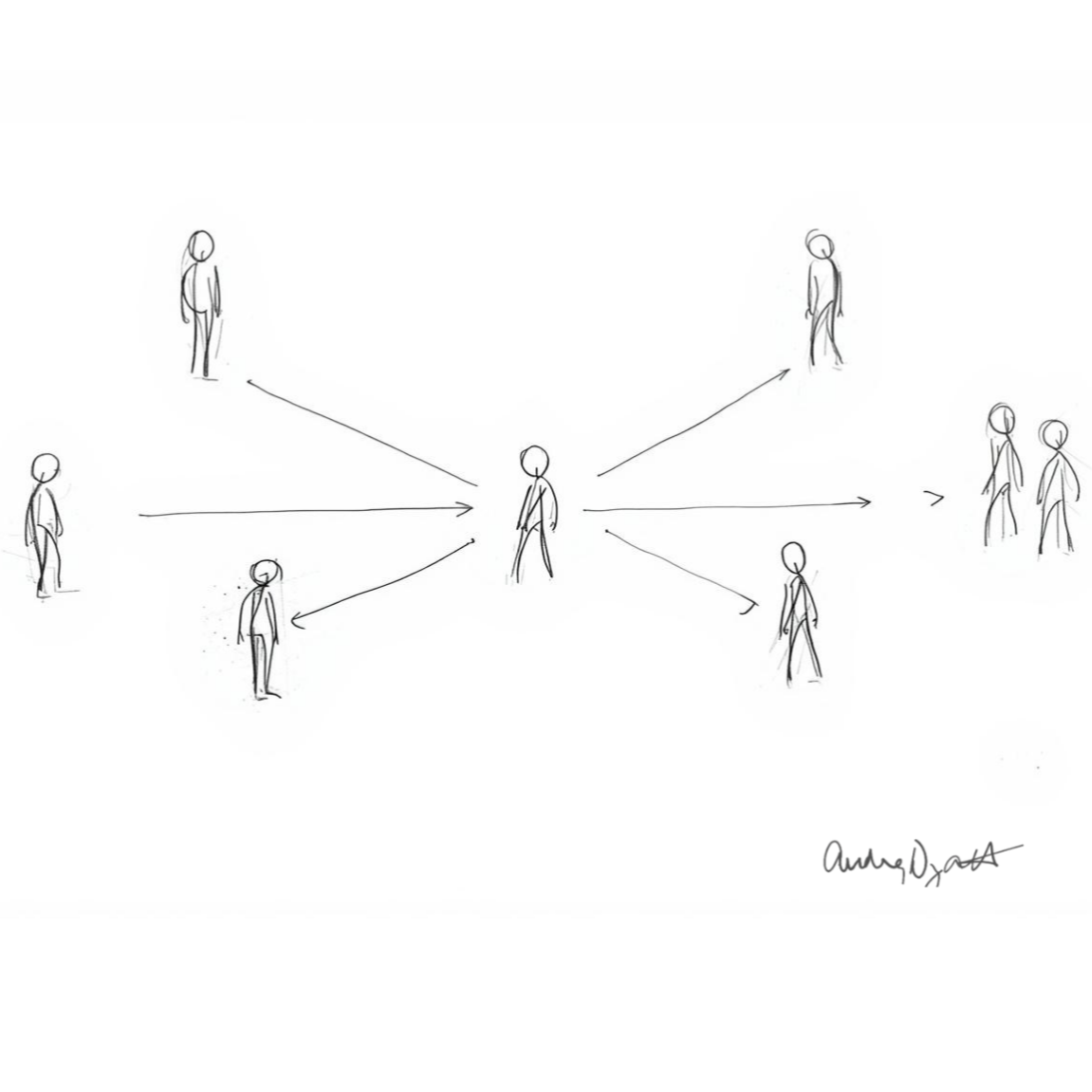
As organizations grow, alignment often becomes easier to create—and harder to sustain.
In the leader's presence, decisions move quickly. Priorities become clear. Tradeoffs are resolved in real time.
Work progresses with a sense of coherence.
But something different happens once the leader steps away.
The same decisions return. Priorities are reinterpreted. Questions resurface. What felt clear in the moment begins to drift.
Nothing is broken.
The team is capable. The strategy remains intact. The work continues.
But alignment no longer holds in the same way.
From the inside, this can feel like a need for stronger leadership. More clarity. More direction. More consistency.
Often, the pattern is structural.
When decisions repeatedly return to the center, alignment forms quickly. The system regains coherence by concentrating decision-making in one place.
This works—at first.
It allows the organization to move forward under pressure. It resolves ambiguity. It creates shared direction in the moment.
But over time, something less visible begins to happen.
People begin to understand who decides, but not how decisions are made.
The logic behind decisions becomes less accessible. Tradeoffs are resolved, but not widely understood. Alignment is experienced, but not reproduced.
Coherence becomes dependent on presence.
The organization learns where alignment lives.
So when uncertainty appears, decisions return again.
Not because people are incapable, but because the system has learned the fastest path to clarity.
This is the quiet paradox.
The same pattern that creates alignment in the moment can make alignment harder to sustain over time.
When coherence is held centrally, it does not disappear. It concentrates.
And as it concentrates, it becomes more difficult for the system to carry it.
Over time, leaders find themselves holding more of what once moved naturally through the organization.
Not just decisions, but interpretation. Not just direction, but coherence itself.
What appears as a leadership demand is often a structural signal.
Alignment is not only something leaders create. It is something systems must be able to carry.
— Balcony Notes on Organizational Gravity Audrey Wyatt