
When Systems Lose Signal
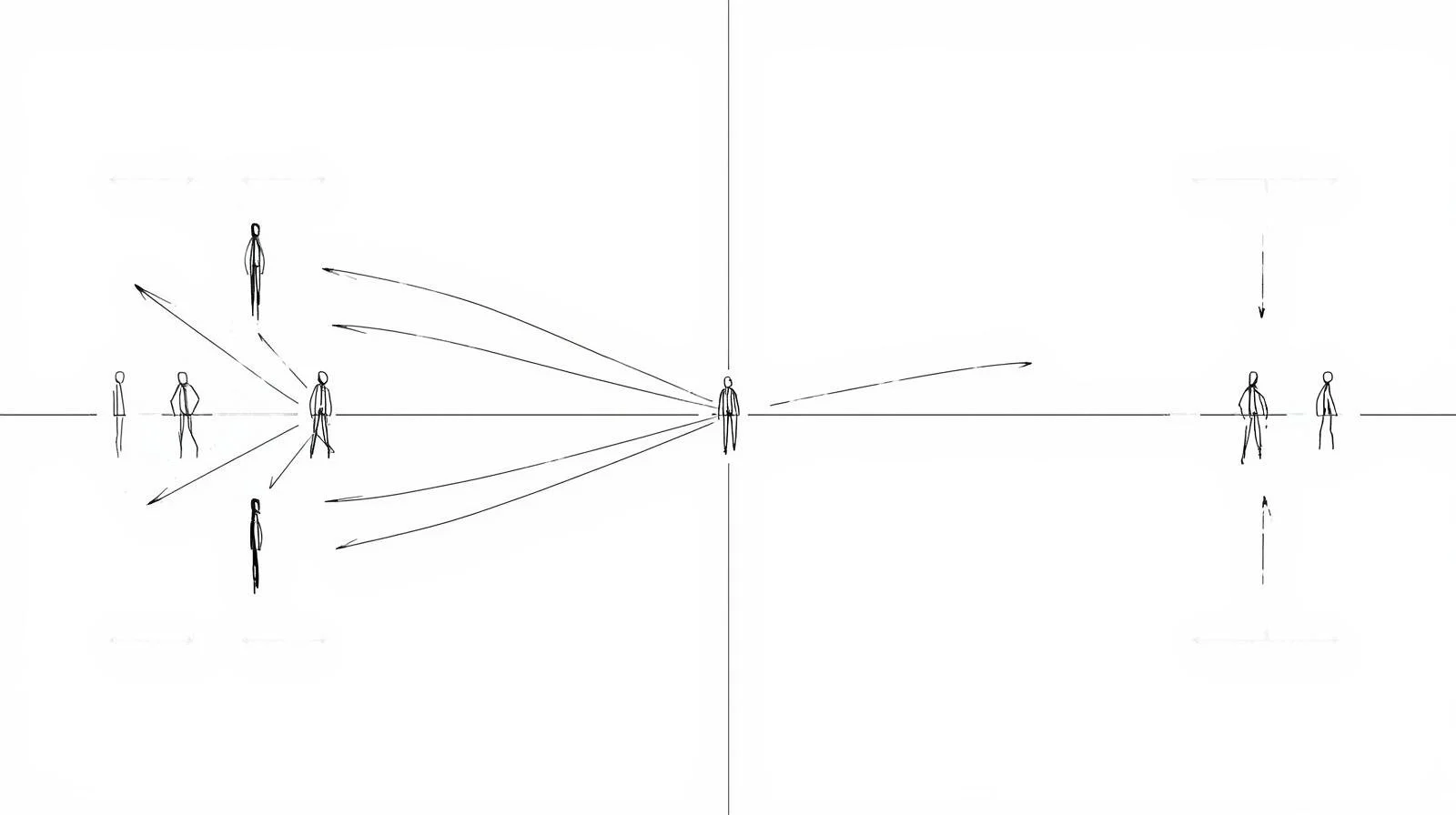
In growing organizations, leaders are often asked to solve problems quickly.
A decision is needed.
A conflict needs resolution.
Something has to move.
From the outside, these moments can look like execution issues.
A gap in ownership.
A need for clarity.
A leadership decision waiting to be made.
So leaders respond.
They decide.
They step in.
They stabilize.
And for a moment, it works.
The system regains alignment.
Work continues.
Pressure eases.
But the same patterns return.
The same tensions resurface.
The same decisions come back.
The same conversations repeat.
From the inside, this can feel like a leadership challenge— a need for better delegation, clearer communication, or stronger accountability.
Often, something else has been lost.
Signal.
Signal is what allows a system to sense what is actually happening, where it matters, and how to respond.
When signal is intact, organizations can learn from pressure.
They can distinguish between what requires a decision and what requires deeper understanding.
But when pressure begins to concentrate or is quietly absorbed, signal starts to degrade.
Leaders carry more decisions.
Strong people carry more load.
Tension is smoothed before it can be seen.
Work continues, but the system loses its ability to sense clearly.
At that point, even experienced leaders face a difficult constraint.
Without signal, all challenges begin to look the same.
And when every problem appears urgent and visible, the most available response is action.
Decide.
Fix.
Move.
What might be an adaptive challenge—something that requires learning—is treated as a technical one—something that requires resolution.
Not because the leader lacks judgment.
But because the system can no longer see the difference.
Over time, this creates a subtle shift.
The organization works harder, but learns less.
It responds faster, but with less accuracy.
It remains active, but becomes less aware.
This is the quiet cost of lost signal.
Not only strain on people, but a reduction in the system’s ability to perceive and adapt.
In this state, improvement efforts often focus on behavior:
more discipline
clearer roles
stronger communication
But behavior is not the source of the problem.
Structure is.
When structure cannot carry load, people carry it.
And when people carry it, the system loses the information it needs to learn.
Restoring signal does not begin with new solutions.
It begins with observation.
A pause long enough to see where pressure is actually moving, what is being carried, and what the system can no longer detect.
From there, structure can begin to take on what people have been holding.
And signal can return.
— Balcony Notes on Organizational Gravity
Audrey Wyatt